

Introduction
Kruger National Park is one of Africa’s most renowned wildlife reserves and a flagship conservation area in South Africa. Covering nearly 20,000 square kilometers, it is larger than some countries and offers visitors an unparalleled safari experience. Established in 1898 to protect South Africa’s wildlife, Kruger today is managed by South African National Parks (SANParks) and remains a cornerstone of global biodiversity conservation.
Geography and Landscape
The park stretches across the Limpopo and Mpumalanga provinces, bordering Mozambique to the east and Zimbabwe to the north. Its varied landscapes range from savannahs and riverine forests to rocky outcrops and mopane woodlands. This diversity supports a remarkable range of species and provides unique photographic opportunities throughout the year.
Wildlife and Biodiversity
Kruger National Park is home to more than:
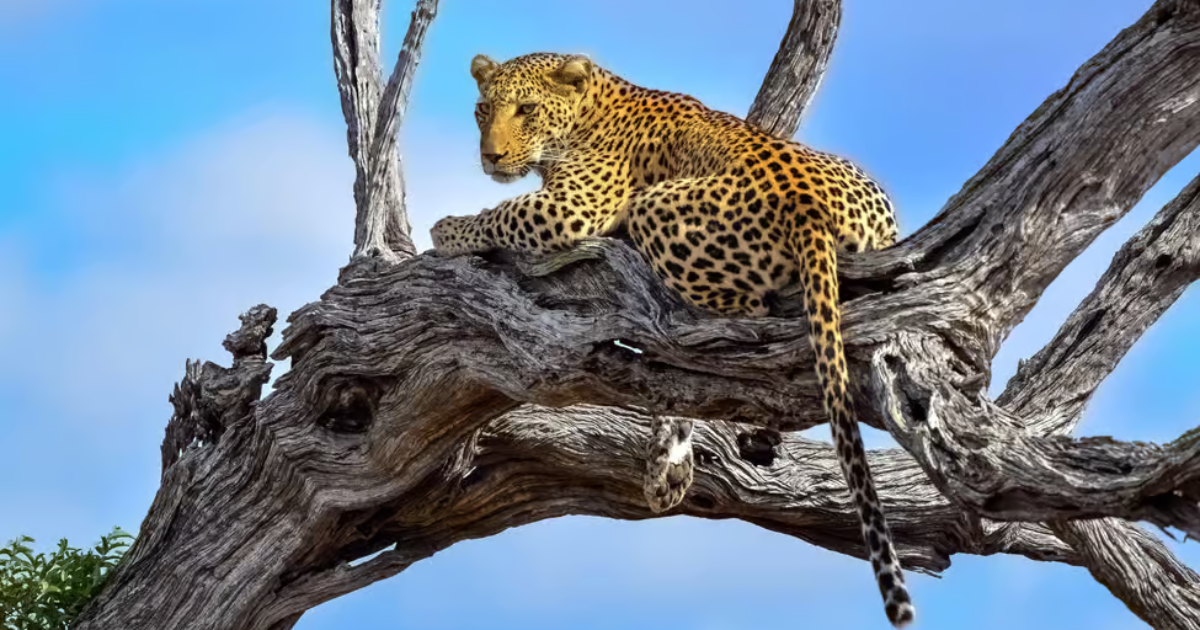
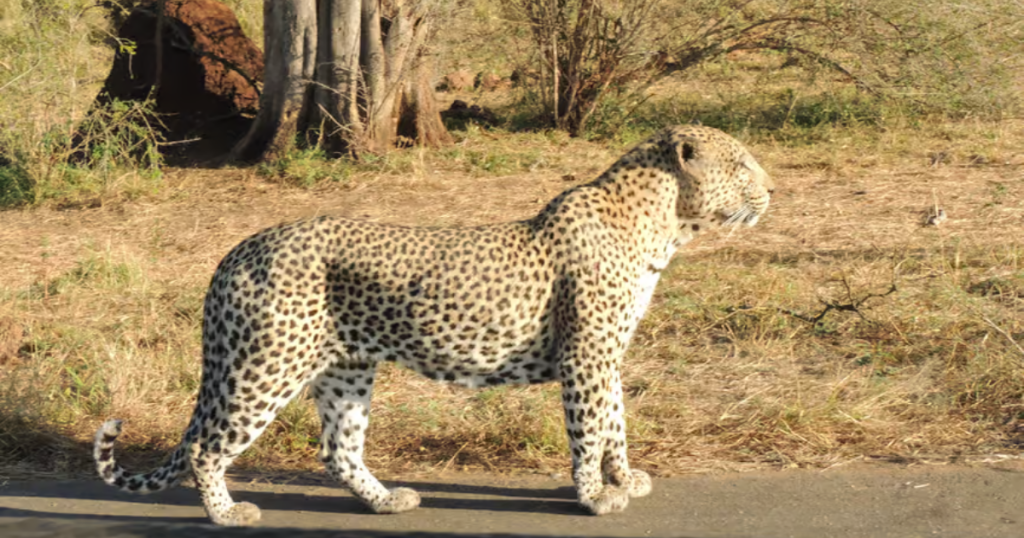
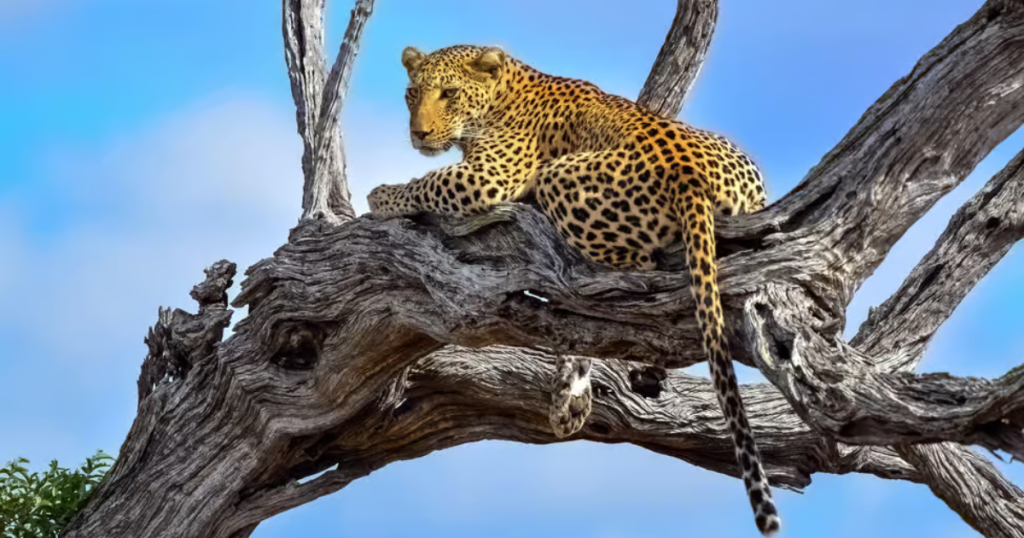
- 147 mammal species, including the Big Five (lion, leopard, elephant, buffalo, and rhinoceros).
- 500 bird species, making it a premier birdwatching destination.
- 114 reptile species, 49 fish species, and 34 amphibians.
The park’s ecological richness makes it one of the most biologically diverse reserves in Africa. Sightings of cheetah, African wild dog, and sable antelope are considered particularly special.
Safari Experiences
Kruger offers a range of safari experiences suited to different preferences and budgets:
- Self-Drive Safaris: The park has an extensive network of roads, allowing visitors to explore independently.
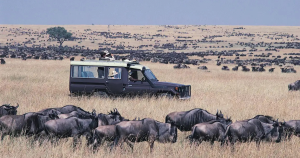
- Guided Game Drives: Conducted by trained rangers, these provide in-depth knowledge and improved chances of rare sightings.
- Walking Safaris: Led by armed guides, these immersive treks highlight smaller species and the ecosystem’s finer details.
- Luxury Lodges and Private Concessions: For exclusive experiences, several private reserves adjoining Kruger—such as Sabi Sand and Timbavati—offer luxury accommodations and off-road game viewing.
Best Time to Visit
The park is a year-round destination, but conditions vary by season:
- Dry Season (May to September): Cooler weather and sparse vegetation make it easier to spot wildlife near water sources.
- Wet Season (October to April): Lush landscapes, abundant birdlife, and calving season for many herbivores. However, dense vegetation can make big-game viewing more challenging.
Accommodation
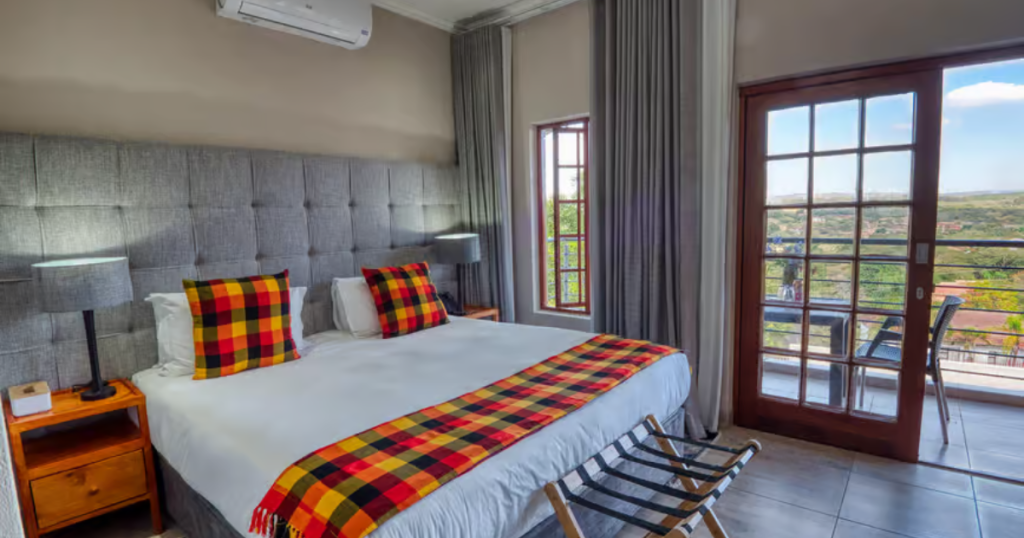
Kruger National Park provides a wide range of accommodation options:
- Rest Camps: Affordable government-run facilities with chalets, bungalows, and campsites.
- Bushveld Camps: Smaller, more remote camps for a quieter experience.
- Luxury Lodges: High-end private lodges within and around the park offering premium services.
Conservation and Sustainability
Kruger is at the forefront of conservation efforts in Africa, tackling issues such as anti-poaching operations, sustainable tourism, and community involvement. Partnerships with local communities ensure that tourism benefits extend beyond the park’s borders, while advanced monitoring programs protect endangered species like the black rhinoceros.
Practical Travel Information
- Location: Northeastern South Africa, accessible via multiple gates and airports such as Skukuza, Hoedspruit, and Nelspruit.
- Entry Requirements: Daily conservation fees apply, with discounts for South African residents and members of SANParks’ Wild Card program.
- Travel Tips: Visitors should book accommodations well in advance, especially during school holidays and peak safari seasons.
Conclusion
Kruger National Park stands as one of the world’s leading wildlife reserves, combining exceptional biodiversity with a strong conservation ethos. Whether through self-drive safaris, guided tours, or luxury stays, the park offers an authentic African safari experience that continues to inspire visitors from across the globe.

One thought on “Kruger National Park: A Complete Travel Guide”