
Introduction
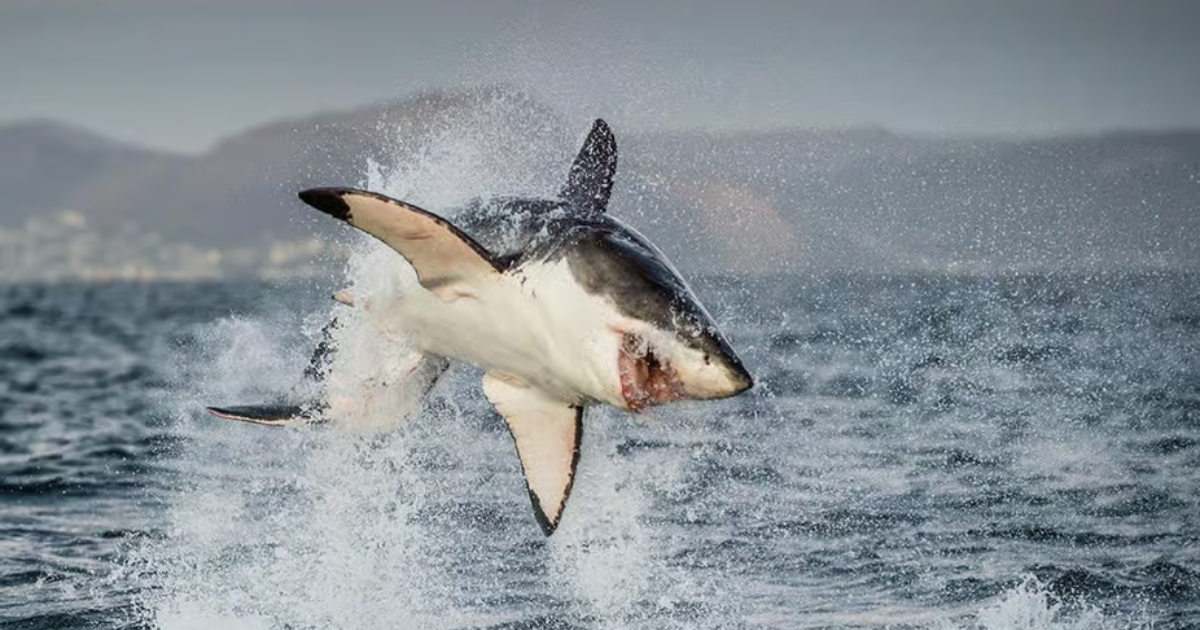
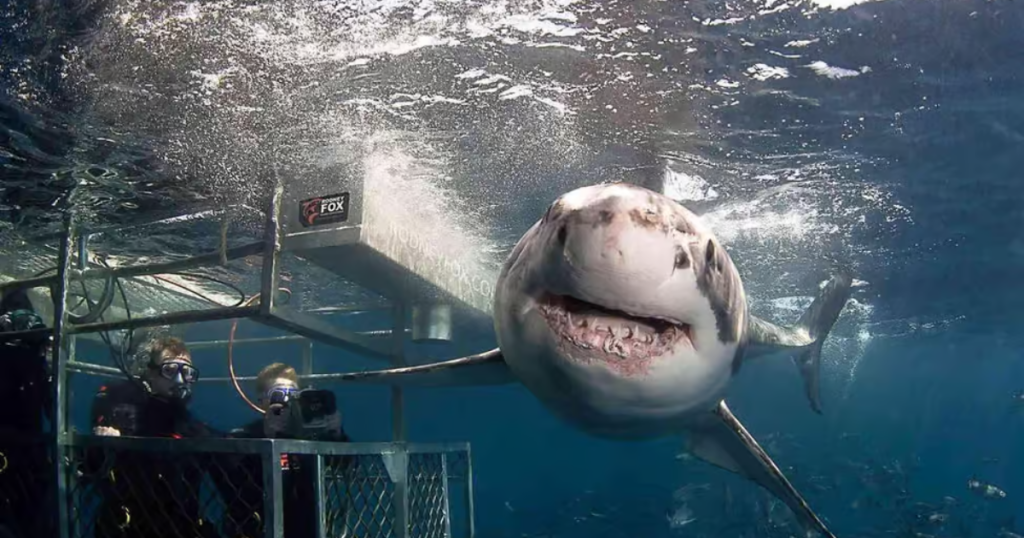
Cape Town, located at the southern tip of South Africa, is one of the world’s most renowned destinations for marine wildlife encounters. Among its most thrilling attractions is great white shark cage diving, an activity that draws adventure seekers and researchers alike. This experience offers a rare opportunity to observe one of the ocean’s most formidable predators in its natural environment under controlled and safe conditions.
Why Cape Town is a Global Shark Diving Hub
The waters off Cape Town, particularly around Gansbaai, False Bay, and Hout Bay, are part of a rich marine ecosystem. This region supports a high population of seals, penguins, and fish, making it an ideal hunting ground for great white sharks (Carcharodon carcharias). Gansbaai, often referred to as the “Great White Shark Capital of the World,” is considered one of the top locations globally for cage diving due to the frequency and reliability of shark sightings.
The Cage Diving Experience
Safety and Regulation
Shark cage diving in South Africa is conducted under strict regulations. Licensed operators follow safety protocols set by the South African Department of Environmental Affairs to ensure both human and animal welfare. Participants are typically lowered into the water in a reinforced cage while the sharks are attracted to the area using chum (a mixture of fish oil and bait).
What to Expect
- Duration: Trips usually last between half a day and a full day.
- Group Size: Operators accommodate small groups, allowing multiple turns in the cage.
- Visibility: Water clarity varies depending on the season and weather conditions.
- Shark Sightings: While great whites are the main attraction, other species such as bronze whalers may also appear.
No diving certification is required. Guests breathe through a regulator or hold their breath while submerged in the cage, making the activity accessible to beginners.
Best Time for Shark Cage Diving in Cape Town
Shark activity varies seasonally:
- April to September (winter months): Peak season for sightings, particularly in False Bay when sharks are more active near seal colonies.
- October to March (summer months): Sightings are still possible, though less frequent, especially around Gansbaai.
Water temperatures during winter range between 12°C and 15°C, so wetsuits are provided to ensure comfort.
Conservation and Ethical Considerations
Shark cage diving contributes to marine conservation by raising awareness about shark populations, which are under threat from overfishing and habitat loss. Many operators support scientific research and public education programs. However, concerns have been raised about the impact of chumming on shark behavior. According to marine biologists, regulated chumming has minimal long-term effects, but ongoing studies continue to monitor shark responses.
Practical Information for Travelers
- Location: Most tours depart from Cape Town and travel to Gansbaai (about 2 hours by road).
- Requirements: No prior diving experience is needed; minimum age restrictions may apply depending on the operator.
- Cost: Prices range from approximately USD 120–200 per person, including equipment, safety briefings, and refreshments.
- Booking: Advance reservations are recommended, particularly during peak season.
Conclusion
The great white shark diving experience in Cape Town offers an unparalleled opportunity to witness one of nature’s most iconic predators up close. Combining adventure, education, and conservation, it remains one of South Africa’s most sought-after marine tourism activities. For travelers seeking a unique and unforgettable encounter with wildlife, shark cage diving in Cape Town is both a thrilling and responsible choice.