
Introduction
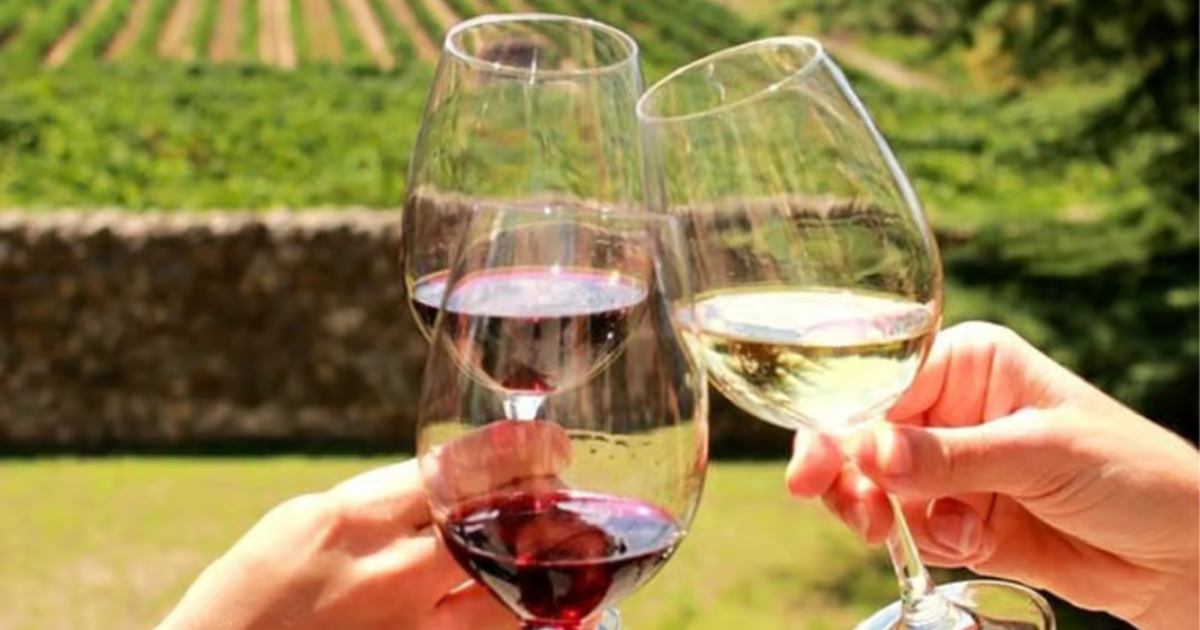
South Africa’s Winelands are among the world’s premier wine tourism destinations. Located largely within the Western Cape province, these wine regions combine exceptional viticulture, scenic landscapes, historic architecture, and rich cultural heritage. This article provides an in‐depth look at Winelands tours in South Africa—defining their scope, key wine regions, what visitors can expect, and practical considerations.
What Are the “Wine of Origin” Areas
Under the Wine of Origin Scheme, South Africa’s wine production is geographically demarcated into regions, districts, and wards. These designations reflect terroir—that is, climate, soil, elevation and other agricultural factors—which strongly influence wine styles and quality.
- As of 2023, there are six official regions in the Western Cape geographical unit, over 30 districts, and 101 wards.
- Regions include, among others, the Coastal Region, Breede River Valley, Cape South Coast, Klein Karoo, and Olifants River.
Major Wine Regions and Routes
Below are some of the most prominent wine regions and wine routes, with features that make them appealing to tourists:
| Region / Route | Location / Geography | Key Attributes / Specialities |
|---|---|---|
| Stellenbosch | Near Cape Town, elevated by foothills of the Cape Fold Mountains. | Over 200 wine estates; historical farms; wide range of grape varietals and blends; also a center for wine‐education and research via Stellenbosch University. |
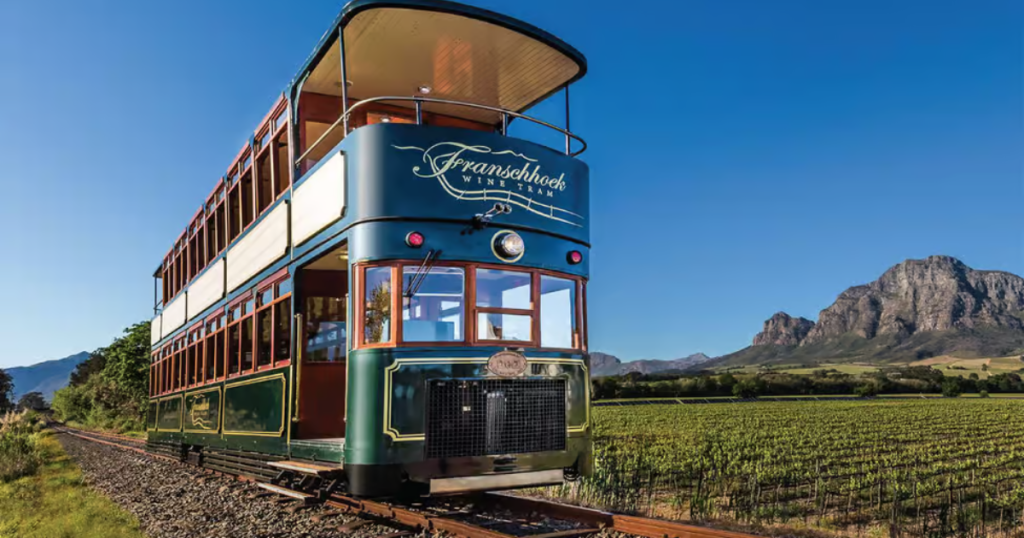
| Franschhoek Valley | East of Cape Town, influenced by French Huguenot heritage. | Fine dining, wine‐tram tours, sparkling wine (Méthode Cap Classique), and wines with both historical depth and modern flair. |
| Constantia | A suburb of Cape Town; part of the Coastal Region. | One of the oldest wine regions in the Southern Hemisphere; historic estates like Groot Constantia; strong premium wine history; attractive for short tours from Cape Town. |
| Breedekloof | Part of the Breede River Valley; between Paarl and Worcester. | Diverse terroir (soil types, mesoclimates); suited especially to Chenin Blanc and other white varietals; emerging wine tourism infrastructure. |
| Elgin | Cooler climate, southeast of Cape Town; between Overberg and coastal regions. | Known for cool‐climate wines (e.g. Pinot Noir, Sauvignon Blanc), lush scenery, apple farming in neighbouring areas; increasingly popular for wine & nature combined tours. |
| Walker Bay / Hemel & Aarde | Coastal influence; cooler maritime proximity. | Renowned for Pinot Noir and Chardonnay; striking landscapes; blending of wine, sea, and nature. |
Accommodation in Franschhoek
🔗 Explore tours: Cape Winelands
What Visitors Can Expect on a Winelands Tour
A winelands tour in South Africa generally offers the following components:
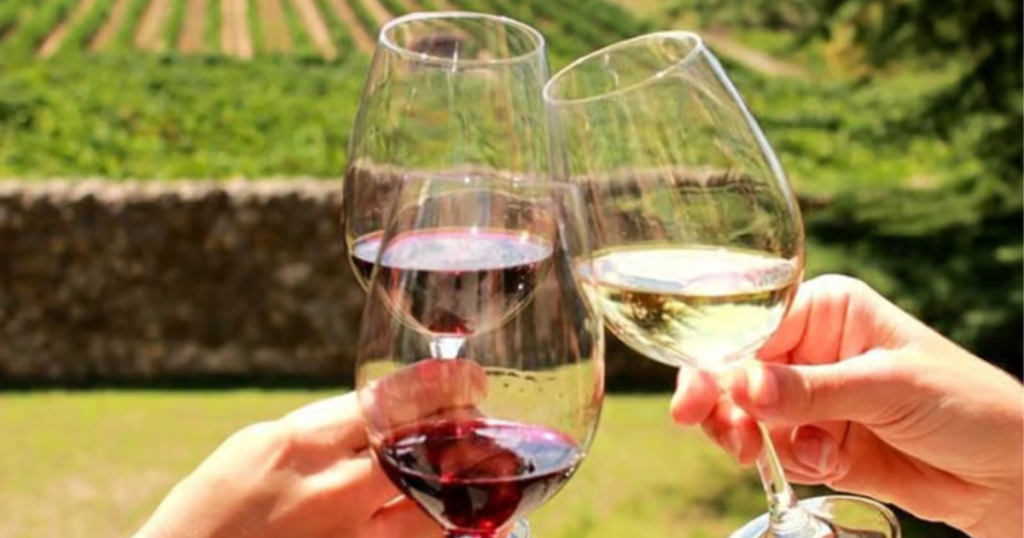
- Wine Tastings and Cellar Tours: Estates will often provide guided tastings, explanations of varietals, grape‐growing and wine‐making processes. Many also allow walking through vineyards.
- Architectural and Cultural Heritage: Many wine estates have Cape Dutch style buildings, historic wine cellars, gardens, and landscaped grounds.
- Food Pairings and Dining: Restaurants at estates often serve gourmet or farm‐to‐table lunches, wine and food pairings, or picnic options.
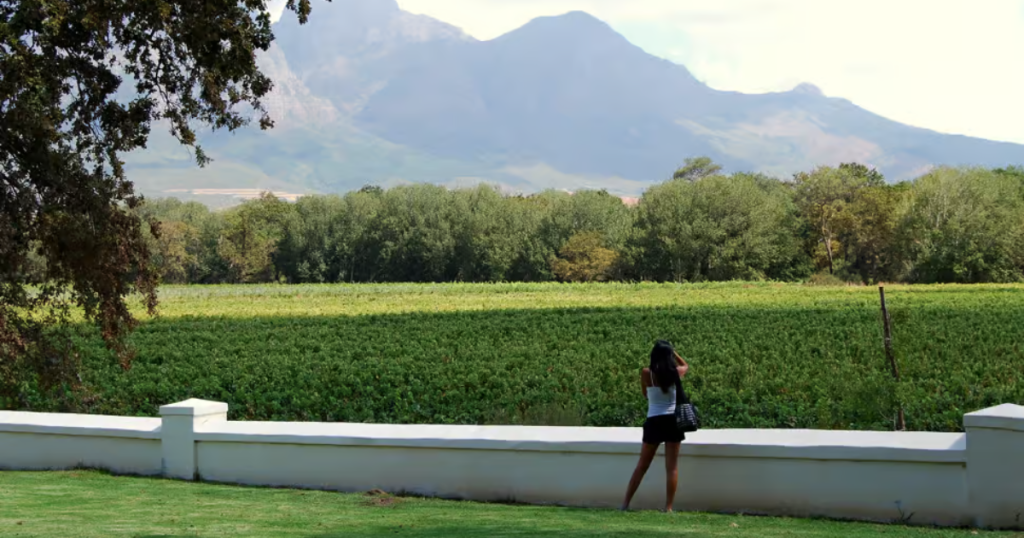
- Scenery and Nature: Mountain vistas, coastal views, valleys, fynbos flora (indigenous vegetation) are integral parts of the landscape.
- Transport and Tours: Tours can be self‐drive, guided by day‐tours from Cape Town, or using special services such as wine trams (notably in Franschhoek).
Practical Information
When planning a winelands tour, several logistical and regulatory details are relevant:
- Booking in Advance
Many wine estates require appointments, especially for larger groups or for special tastings and meals. During peak seasons (spring through early summer, harvest season) demand is high. - Costs
Tasting fees vary depending on the prestige of the estate, type of wines, and level of service (e.g., basic tasting vs. premium tastings or experiences with food). Expect to pay more at high‐end estates with gourmet dining or premium wine offerings. - Transportation & Safety
If sampling wines, arranging transport is important. Tour operators often provide pick‐ups from Cape Town or surrounding hubs. Designated drivers or shuttle services are common. - Seasonality
Vineyards are most lush and attractive during spring (September–November) and during the harvest period (around February–April, depending on the region). Some estates may reduce hours or close during off‐peak seasons. - Weather & Climate
Climate plays a big part in viticulture in the Winelands. Many wine regions have Mediterranean climates (wet winters, dry summers), though coastal areas are influenced by maritime cooling. - Regulations & Certifications
The Wine of Origin Scheme ensures authenticity and permits travellers to assess wine based on origin. Many estates also emphasise sustainable practices and certifications.
Why South Africa’s Winelands Stand Out
Several factors contribute to the distinction of South Africa’s wine tourism:
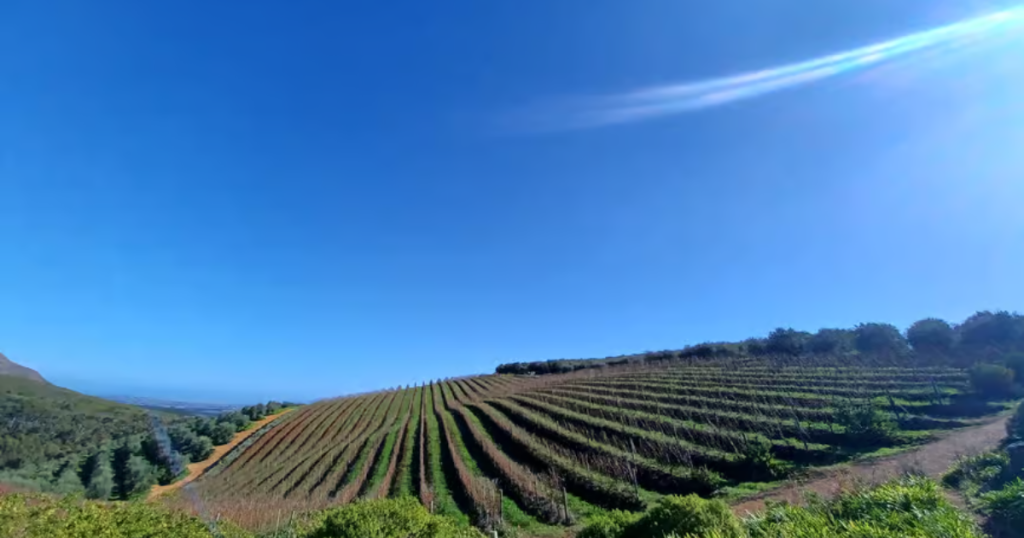
- Terroir Diversity
From cool maritime influences in coastal wards to hot inland districts, varying soil types, elevation and rainfall—all contribute to diverse wine styles. - Heritage & History
Winemaking in the Cape stretches back to the 17th century (e.g. Constantia). Historical estates, colonial architecture, and the legacy of early European settlers add cultural depth. - Wine Varieties & Innovation
South African producers work with international varieties (Cabernet Sauvignon, Chardonnay, Sauvignon Blanc, Pinot Noir) and local ones (notably Pinotage). Innovation is visible in sparkling wines (Cap Classique), blends, cool‐climate experimentation, and boutique production. - Accessibility
Many wine routes are within one to two hours from Cape Town, making day trips feasible. Infrastructure (restaurants, accommodation, guides) is well developed in the most visited areas.
Challenges and Considerations
No destination is without its challenges. For those considering winelands tours, it is prudent to keep these in mind:
- Overtourism
Some estates and routes can become crowded, especially in popular months. This can affect the visitor experience. - Cost Variation
Premium estates and exclusive experiences may be expensive, not always aligned with expectations based on lower cost elsewhere. - Transportation Complexity
Without a private vehicle, travellers may rely on tour operators or shuttle services. Access to remote vineyards could be limited. - Climate Change & Environmental Pressures
Viticulture globally is sensitive to changes in climate. In South Africa, variability in rainfall, risk of drought, and pressures on water resources are relevant to the sustainability of growth in this sector.
Conclusion
Winelands tours in South Africa offer a unique intertwining of viticulture, heritage architecture, gastronomy, and natural beauty. With its legally defined wine regions, rich diversity of terroir, and mature wine culture, the country offers winemakers and tourists many points of excellence. For those planning such tours, informed preparation—regarding timing, transport, estate selection, and cost—ensures a richer, more rewarding experience.
Top Rated Wine Estates in the Cape Winelands
These wine estates are highly regarded for wine quality, visitor experience, scenery, food, or heritage. Many combine several of those elements.
| Wine Estate | Region | Highlights / Why Visit |
|---|---|---|
| Vergelegen | Somerset West / Coastal Region | Historic estate (1700 origin), beautiful gardens, excellent wine production. |
| Spier Wine Farm | Stellenbosch | Broad appeal: good tastings, nature/family-friendly, plus accommodation. |
| Bosman Family Vineyards | Wellington (Western Cape) | Long history (established 1699), produces diverse wines, strong reputation. |
| Rustenberg Estate | Stellenbosch | Deep viticultural pedigree; good red wine heritage; nice setting. |
| Delaire Graff Estate | Stellenbosch | Luxury tasting & dining, art, viewscapes — for those wanting more upscale experiences. |
| Boschendal | Franschhoek | Historic farm, excellent facilities including restaurants and accommodation, beautiful surroundings. |
| La Motte | Franschhoek | Good wine + food pairing; Francophone heritage; scenic valley. |
| Tokara | Stellenbosch / Helshoogte | Modern estate, dramatic views, combination of wine quality and fine dining. |
| Fairview Estate | Paarl | Known for cheese & wine pairings; accessible; good introduction for various wine styles. |
| Groot Constantia | Constantia Valley, near Cape Town | Oldest wine estate in South Africa; heritage & architecture; easy to reach from Cape Town. |
Suggested 3-Day Wine Tour Itinerary
Below is a sample itinerary over 3 days that balances wine, food, scenery, and a bit of relaxation. You can adapt it (skip some estates, extend, replace) depending on pace and interests.
Day 1: Constantia & Stellenbosch Region
- Morning
Depart from Cape Town. Head to Groot Constantia. Visit the historic cellars, gardens, and get an overview of Cape wine heritage. - Late Morning / Lunch
Drive to Stellenbosch. Lunch at Tokara (if open) or another estate with good restaurant. Enjoy the view; a meal paired with wine. - Afternoon
Visit Spier Wine Farm for a relaxed tasting and if interested some of their non-wine experiences (nature walk, gardens). Then visit Rustenberg for a more serious wine tasting, especially red blends. - Evening
Stay overnight in Stellenbosch. Enjoy dinner locally (many fine restaurants in town).
Day 2: Franschhoek & Paarl
- Morning
Early morning drive to Franschhoek. Begin with La Motte, then Boschendal. Both offer excellent food + wine + scenery. - Midday / Lunch
Lunch in Franschhoek village or at one of the estates. The Franschhoek Wine Tram is an option for moving between estates in a leisurely way if you’d prefer not driving. - Afternoon
After lunch visit Fairview in Paarl, especially if you enjoy cheese & wine pairing. Possibly also Vergelegen (on the return towards Cape Town) if time allows, because it offers quite different terroir and ambience. - Evening
Overnight either in Franschhoek or back in Stellenbosch or closer to Cape Town depending on your lodging preference.
Day 3: Boutique Estates / Scenic Finish
- Morning
On this last day, focus on boutique or less-crowded wine estates. Depending on your base, you might revisit Stellenbosch area estates such as Delaire Graff or small producers. Alternatively, take a scenic drive into coastal wards for cooler climate wines (if time & distance permit). - Midday Lunch
Choose an estate with excellent food, possibly one you haven’t visited yet. Alternatively, a picnic in a vineyard if weather allows. - Afternoon
Leisure time — enjoy the scenery, take photographs; visit local artisan shops; perhaps stop in picturesque villages. Return to Cape Town mid-afternoon or early evening.
Tips to Maximise the Tour
- Limit number of wine tastings per day to avoid palate fatigue. Three to four estates per day usually gives you enough time per stop.
- Reserve ahead especially for popular estates or if you want a specific wine pairing, special lunch or dinner.
- Consider transport carefully: Either have a driver, join a guided tour, or limit to estates not too far apart to avoid long drives.
- Mix big well-known estates with smaller, boutique producers: this gives a sense of variety in style, terroir, hospitality.
- Check opening hours / days: some estates may be closed certain days or have limited tasting facilities.
- Enjoy non-wine elements: beautiful scenery, heritage architecture, food, gardens, sometimes art.