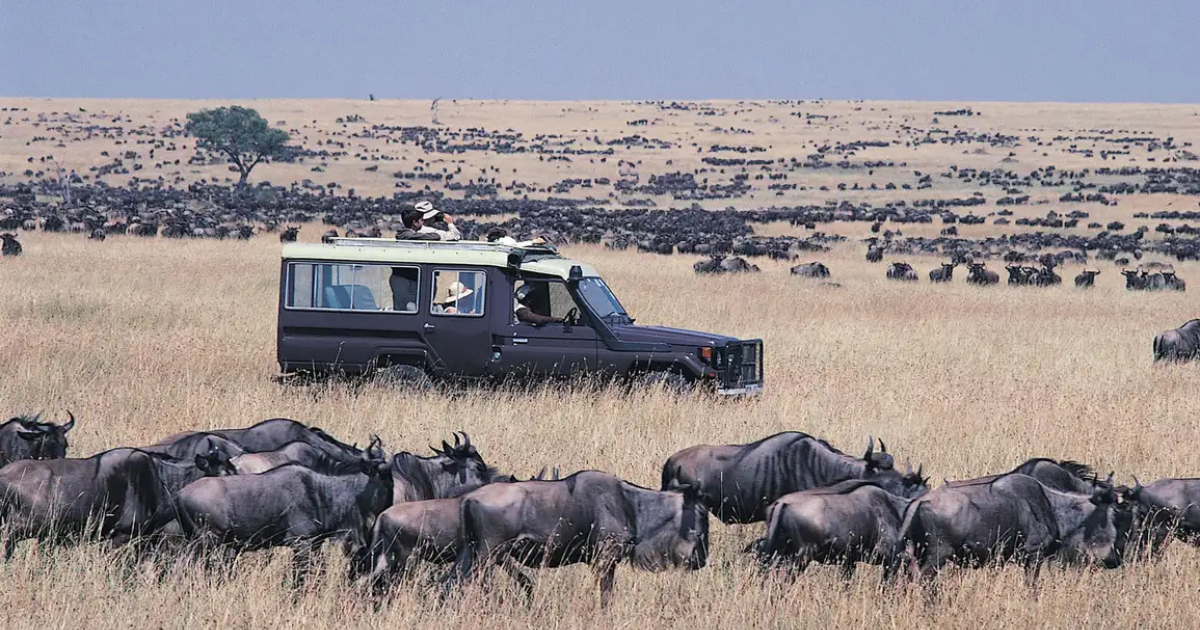

Kenya is a land of staggering natural beauty, unparalleled wildlife, vibrant cultures and dramatic landscapes. From sweeping savannas to white-sand beaches, from mountain peaks to bustling cities, there’s something for every traveler. In this comprehensive guide, we’ll explore the 10 best things to do in Kenya plus bonus suggestions and practical tips to help you plan an unforgettable journey.
Introduction: Why Visit Kenya?
Kenya is one of Africa’s premiere destinations for safari and wildlife encounters. Its reputation as a travel hotspot is built on diverse ecosystems — from grasslands and forests to coastline and highlands — and incredible biodiversity. The country is globally renowned for its Great Migration, iconic National Parks like Masai Mara and Amboseli, and warm Swahili-influenced coastal towns.
But Kenya isn’t just about wildlife — there’s culture, history, beaches, adventure sports, and lush highlands waiting to be discovered. Whether you’re a first-time visitor or a return traveler, Kenya offers something new each time.
Below is your curated list of 10 best things to do in Kenya, arranged roughly by geographic region and theme, along with extra ideas and travel tips.
10 Best Things To Do In Kenya
1. Experience a Safari at Masai Mara (Great Migration & Big Five)
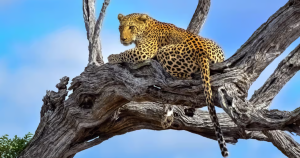
A Kenyan trip is incomplete without a safari. The Masai Mara National Reserve is arguably the crown jewel. Here, you can find the Big Five (lion, elephant, buffalo, leopard, rhinoceros) and many other species.
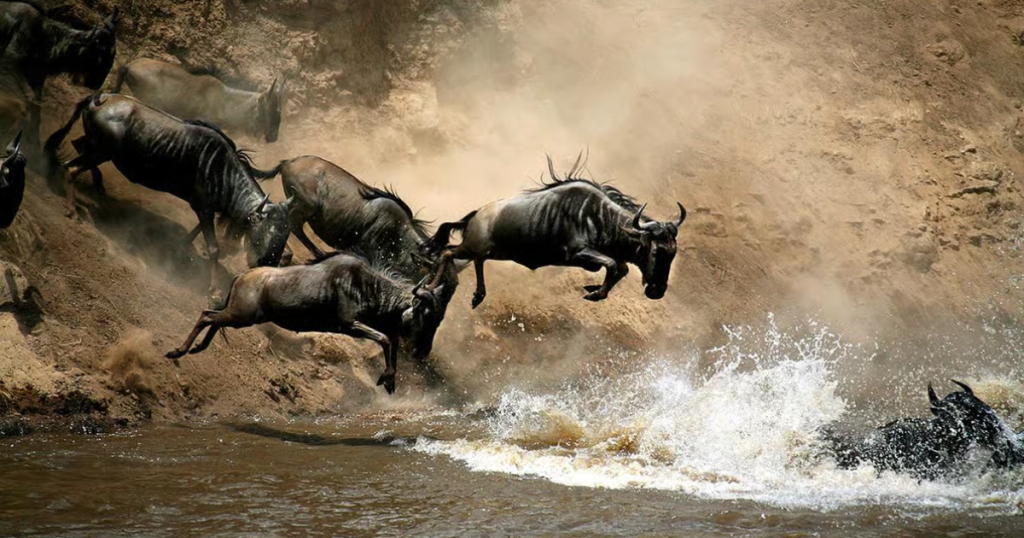
From July through October, you can witness the Great Migration — when over a million wildebeest and hundreds of thousands of zebras and gazelles cross the Mara River, dodging crocodiles and predators.
You can take guided game drives, horseback safaris, walking safaris, or even a hot-air balloon ride above the plains.
Tips: Stay in a conservancy adjoining the Mara for fewer crowds; dawn and dusk are best for predator activity.
2. See Elephants with a View of Kilimanjaro at Amboseli National Park
Amboseli lies near the Kenya–Tanzania border and is famous for its elephant herds and stunning views of Mount Kilimanjaro, Africa’s highest peak (though the summit lies across the border).
Here you can get close to massive tuskers, see buffalo, giraffe, and possibly big cats, and enjoy photographic safaris with the mountain as a backdrop.
Amboseli is also well suited for combining with other parks in southern Kenya (like Tsavo) or as a shorter safari option from Nairobi.
3. Explore Tsavo National Park (East & West)
Tsavo is Kenya’s largest national park, divided into Tsavo East and Tsavo West, covering savanna, volcanic hills, riverine habitats, waterfalls, and rugged landscapes.
In Tsavo you’ll find red elephants, lions, cheetahs, and diverse birdlife. The Shetani Lava Flows and Mzima Springs (with hippos and fish) are highlights in Tsavo West.
Because of its sheer size and variety, Tsavo is ideal for multi-day treks, overland journeys, or extended safaris combining with Amboseli and Taita Hills.
4. Visit Samburu & Buffalo Springs in Northern Kenya
In the rugged north, Samburu, Buffalo Springs, and Shaba reserves offer a drier, more remote safari experience with species adapted to arid environments — Grevy’s zebra, reticulated giraffe, Somali ostrich, gerenuk, and the elusive Beisa oryx.
These reserves are less crowded, giving a more off-grid feel. Staying in local camps also allows for cultural encounters with semi-nomadic tribes like the Samburu people.
5. Hike / Trek Mount Kenya
For adventure seekers, Mount Kenya is an iconic climb. Its third peak, Point Lenana (4,985 m), is accessible without technical climbing, although you will traverse glaciers and alpine moorland.
Routes like Sirimon, Chogoria, and Naro Moru offer varying difficulty and scenery. The experience includes highland forest, bamboo zones, moorlands and dramatic ridges.
You can combine treks with wildlife visits in nearby Laikipia or Aberdare ranges.
6. Relax and Water Activities on Kenya’s Coast (Diani, Lamu, Malindi, Watamu)
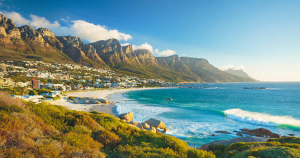
Kenya’s Indian Ocean coastline is dotted with idyllic beaches, coral reefs, traditional Swahili culture, and water sports.
- Diani Beach offers white sand, turquoise waters, snorkeling, diving, and dhow cruises.
- Lamu Archipelago is a tranquil getaway of narrow streets, centuries-old architecture, dhow sails, and a slower pace.
- Watamu / Malindi are known for marine parks, snorkeling, coral gardens and sea turtle spotting.
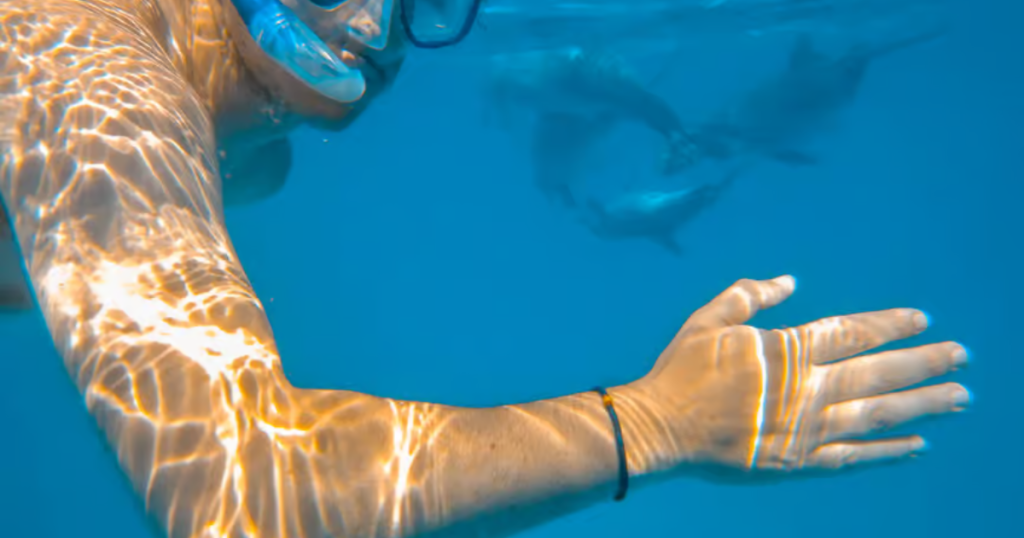
On the coast you can sail on traditional dhows, snorkel coral reefs, dive with whale sharks, and watch dolphins.
7. Visit Lake Nakuru & Naivasha (Flamingos, Rhinos, Boat Safaris)
In Kenya’s Great Rift Valley lie Lake Nakuru and Lake Naivasha, two freshwater lakes offering a different wildlife and birding experience.
- Lake Nakuru National Park is famed for its flamingo populations (when water levels suit) and rhino sanctuary (black and white rhino).
- Lake Naivasha offers boat rides, hippos, many birds, and nearby Hell’s Gate National Park for biking and hiking.
You can also do a cycling safari through Hell’s Gate, passing grazing animals, cliffs, and geothermal activity.
8. Walk with Nature in Aberdare Mountains & Forests
The Aberdare Range (in central Kenya) features montane forests, moorland, waterfalls, and wildlife. You might see elephants, bongo (rare forest antelope), leopards, and giant forest hogs.
Mountaintop lodges and forest cabins make this a great escape into cooler highland terrain. It can be paired with visits to Nairobi National Park or Laikipia.
9. Explore Nairobi — City, Museums, Parks & Cultural Tours
Kenya’s capital, Nairobi, is more than just a transit hub. It offers a unique juxtaposition of wildlife and urban life.
- Nairobi National Park is the only national park located just outside a major city, where you can see giraffes, lions, rhino against a skyline.
- David Sheldrick Elephant Orphanage, Giraffe Centre, and Bomas of Kenya exhibit wildlife rescue, giraffe care, and cultural performances.
- Museums like the Nairobi National Museum / Natural History, and local art galleries, plus city walking tours, food tours, and slum tours (e.g. Kibera) add depth to your visit.
- For something different, the Nai Nami “street-boy guides” tour dives into Nairobi’s social fabric.
10. Cultural & Community Immersion (Maasai, Swahili, Local Experiences)
Kenya’s human tapestry is as rich as its landscapes. Engaging with local communities offers meaningful perspectives.
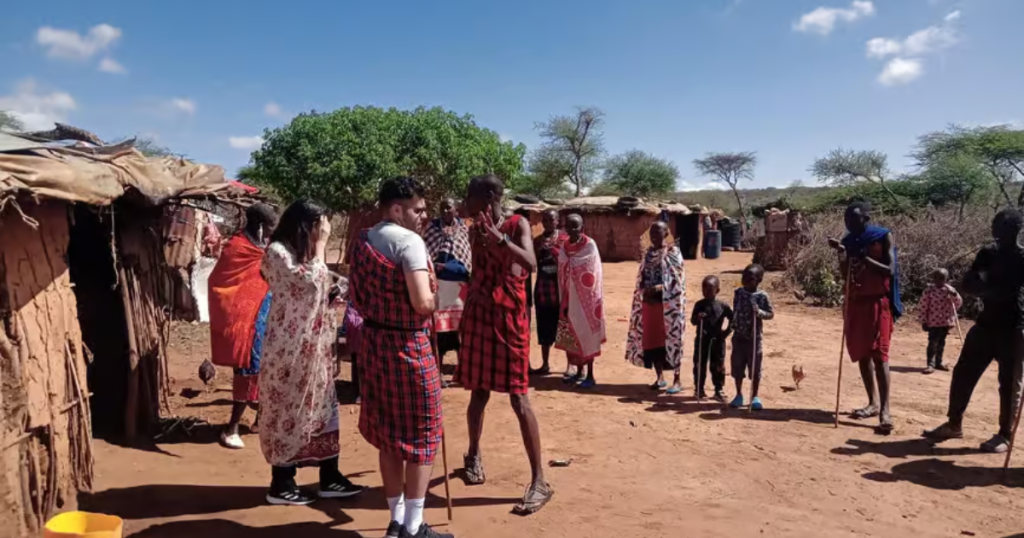
- Visit Maasai villages to learn about traditional life, beadwork, dance, and herding culture.
- In Lamu, explore Swahili architecture, narrow alleys, dhow building yards (e.g. Matondoni), and crafts.
- Participate i
Bonus Things to Do & Hidden Gems
- Hot Air Balloon Over the Mara — float above wildlife with champagne breakfast.
- Cycle / Mountain Bike Through Hell’s Gate — ride beside wildlife, through gorges.
- White Water Rafting & River Adventures (e.g. Tana River rapids)
- Birdwatching & Wetland Walks — in Kisumu, Lake Victoria region, western Kenya.
- Photography Safari & Wildlife Workshops — many lodges and guides offer specialized photo tours.
Sample Kenya 10-Day Itinerary (Mix of Safari + Coast + Culture)
Here’s a sample flow to combine wildlife, culture and beach:
| Day | Location / Activity |
|---|---|
| 1 | Arrive Nairobi, rest and short city tour, visit Sheldrick / Giraffe Centre |
| 2 | Head to Amboseli, afternoon game drive |
| 3 | Full day in Amboseli |
| 4 | Transfer to Tsavo East / West or via route to coast |
| 5 | Tsavo safari, then onward to coast or Lake Nakuru |
| 6 | Visit Lake Nakuru, birding, rhino viewing |
| 7 | Transfer to Mombasa / Diani / Lamu |
| 8 | Beach day, snorkeling, dhow cruise |
| 9 | Explore coastal town (Lamu / Mombasa Old Town) |
| 10 | Return Nairobi or fly out via coastal hub |
You can adjust the number of nights in each place depending on travel pace.
Travel Tips & Practical Advice
Best Time to Visit:
The dry seasons (June–October, December–February) are ideal for wildlife viewing and migration. The long rains (April–May) bring lush landscapes but muddy roads and some park closures.
Permits & Fees:
National parks and reserves require entrance fees and may require guides. Hot air balloon rides, conservancy stays, and marine parks may incur extra costs.
Health & Safety:
- Malaria prophylaxis recommended in many areas (coast, lowlands).
- Yellow fever certificates may be required when arriving from certain countries.
- Respect wildlife distances and follow guides’ instructions.
- Use reputable tour operators.
Transport & Access:
- Internal flights help connect remote parks and from Nairobi to coastal hubs.
- Road travel is common but distances are large and road conditions vary.
- Some camps are accessible only by 4×4 or light aircraft.
Lodging Options:
From tented camps, luxury lodges, to beach resorts. For wildlife areas, lodges within private conservancies often offer more exclusive experiences.
Conservation & Responsible Travel:
- Support community-run tourism and conservation projects.
- Avoid tours that exploit animals (e.g. riding captive big cats).
- Respect local customs, cultures, dress modestly in towns, especially in coastal and rural areas.
🔗 Explore tours: Kenya: 7-Day Big 5 Safari Tour from Nairobi
🔗 Related post: Travel Guide to Tanzania