
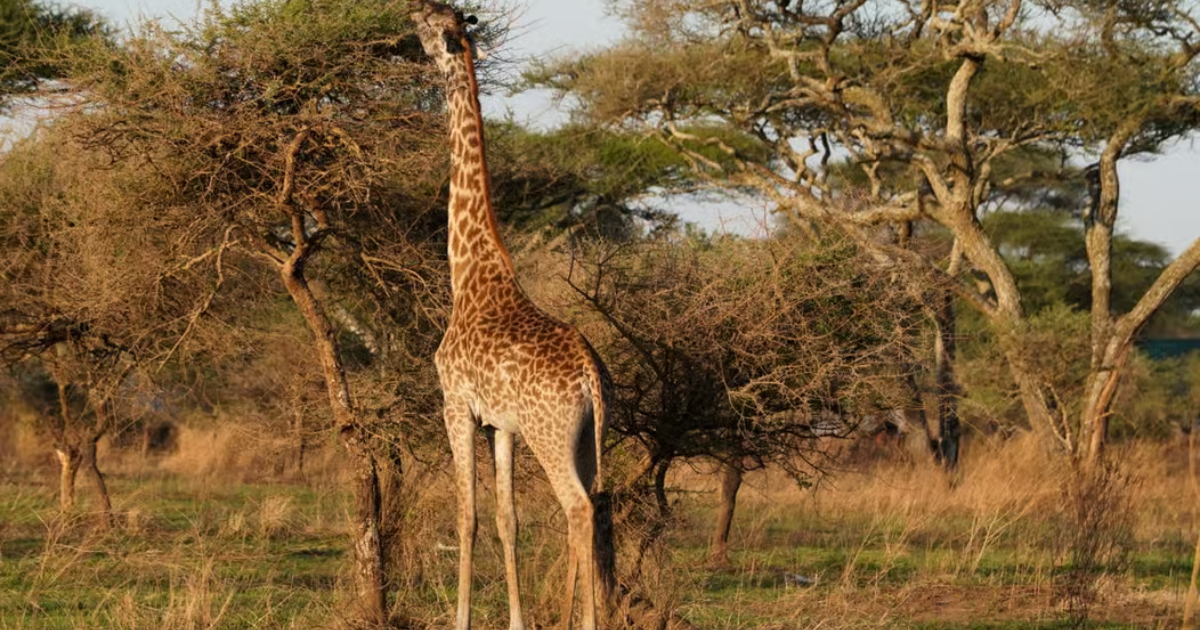

Introduction
Tanzania, officially the United Republic of Tanzania, is one of East Africa’s most captivating destinations. Known for its rich biodiversity, iconic wildlife safaris, Mount Kilimanjaro, and the spice islands of Zanzibar, the country offers an unparalleled mix of natural wonders and cultural heritage. With a stable political environment and a growing tourism infrastructure, Tanzania has become a leading travel destination for adventurers, families, and luxury travelers alike.
Geography and Climate
Tanzania covers 945,000 square kilometers, stretching from the Indian Ocean coastline to the highlands of Mount Kilimanjaro and the vast savannas of the Serengeti. Major lakes, including Lake Victoria and Lake Tanganyika, provide fresh water and unique ecosystems.
The climate varies by region:
- Coastal areas – hot and humid.
- Northern and central highlands – cooler and temperate.
- Rainy seasons – long rains (March–May) and short rains (November–December).
Best Time to Visit Tanzania
The best time to visit depends on your interests:
- June to October (Dry Season):
Ideal for safaris in Serengeti, Ngorongoro, and Tarangire, with abundant wildlife sightings. - January to February:
Excellent for witnessing the wildebeest calving season in the southern Serengeti. - March to May:
Lush green landscapes after the long rains, fewer tourists, and lower prices. - June to October (Kilimanjaro trekking):
The clearest skies for climbing Africa’s highest peak. - Year-round:
Zanzibar’s beaches and cultural sites are appealing throughout the year, though April–May sees heavy rainfall.
Top Attractions in Tanzania
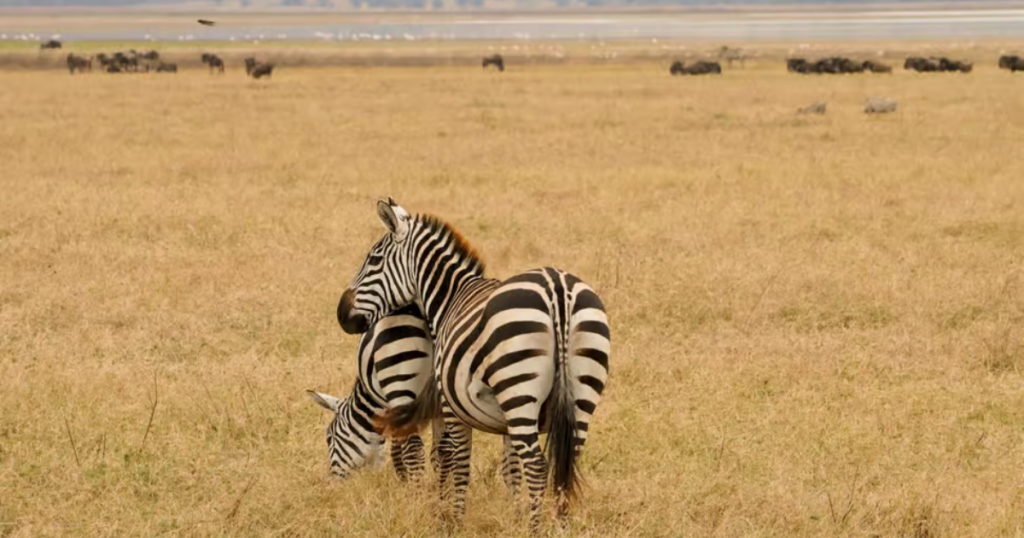
1. Serengeti National Park
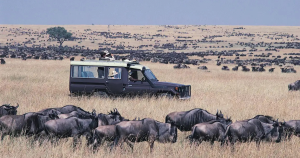
Home to the Great Wildebeest Migration, Serengeti is Tanzania’s flagship safari destination, offering unparalleled game viewing of lions, elephants, cheetahs, and more.
2. Ngorongoro Crater
A UNESCO World Heritage Site, this volcanic caldera shelters over 25,000 large animals, including rare black rhinos.
3. Mount Kilimanjaro
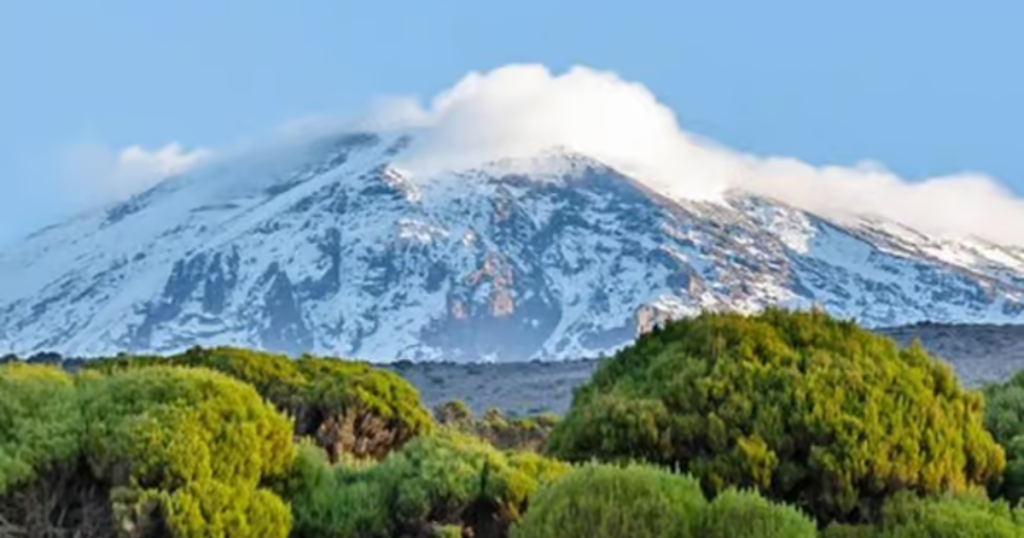
Standing at 5,895 meters, Kilimanjaro is the tallest mountain in Africa and a bucket-list trekking experience.
4. Zanzibar Archipelago
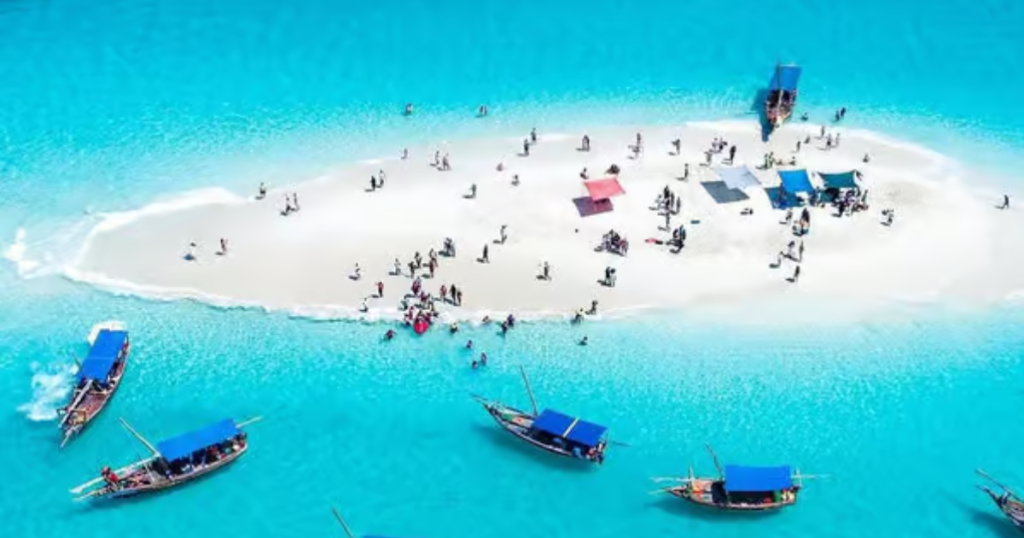
Renowned for white-sand beaches, coral reefs, and Stone Town, a historic Swahili trading hub and UNESCO site.
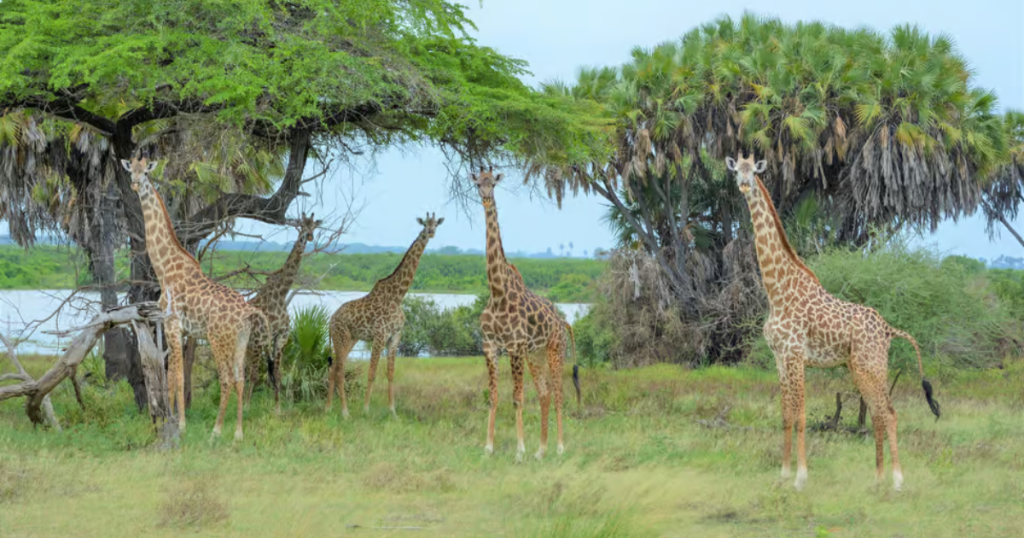
5. Selous Game Reserve (Nyerere National Park)
One of the largest protected areas in Africa, offering boat safaris along the Rufiji River and fewer crowds.
6. Lake Victoria & Lake Tanganyika
Ideal for fishing, cultural exploration, and off-the-beaten-path travel.
Culture and People
Tanzania is home to over 120 ethnic groups, with Swahili serving as the unifying language. Cultural tourism includes visiting Maasai villages, exploring Zanzibar’s Swahili-Arab heritage, and engaging in local markets and music traditions.
Practical Travel Information
Visa Requirements
- Most visitors require a visa, obtainable online (e-visa) or upon arrival.
- Passport validity of at least 6 months is mandatory.
Health & Safety
- Recommended vaccinations: yellow fever, hepatitis A, and typhoid.
- Malaria prophylaxis is advised, especially in rural and lowland areas.
- Tanzania is generally stable and safe for tourists, though basic precautions are recommended.
Currency & Payments
- Local currency: Tanzanian Shilling (TZS).
- Credit cards are accepted in major hotels, lodges, and tour companies, but cash is necessary in rural areas.
Transportation
- Major entry point: Julius Nyerere International Airport (DAR) in Dar es Salaam.
- Regional hubs: Kilimanjaro International Airport (JRO) and Zanzibar International Airport (ZNZ).
- Domestic flights, buses, and ferries connect major regions. Safari tours typically provide 4×4 vehicles with guides.
Suggested Itinerary (7 Days)
Day 1–2: Arrival in Arusha, safari in Tarangire or Lake Manyara.
Day 3–4: Explore Serengeti National Park.
Day 5: Visit Ngorongoro Crater.
Day 6–7: Relax in Zanzibar, enjoy beaches and Stone Town.
Conclusion
Tanzania stands as one of Africa’s premier travel destinations, combining spectacular wildlife, cultural diversity, and world-class natural attractions. Whether climbing Mount Kilimanjaro, embarking on a Big Five safari, or relaxing in Zanzibar, the country delivers experiences that are both unforgettable and transformative.

2 thoughts on “Travel Guide to Tanzania”